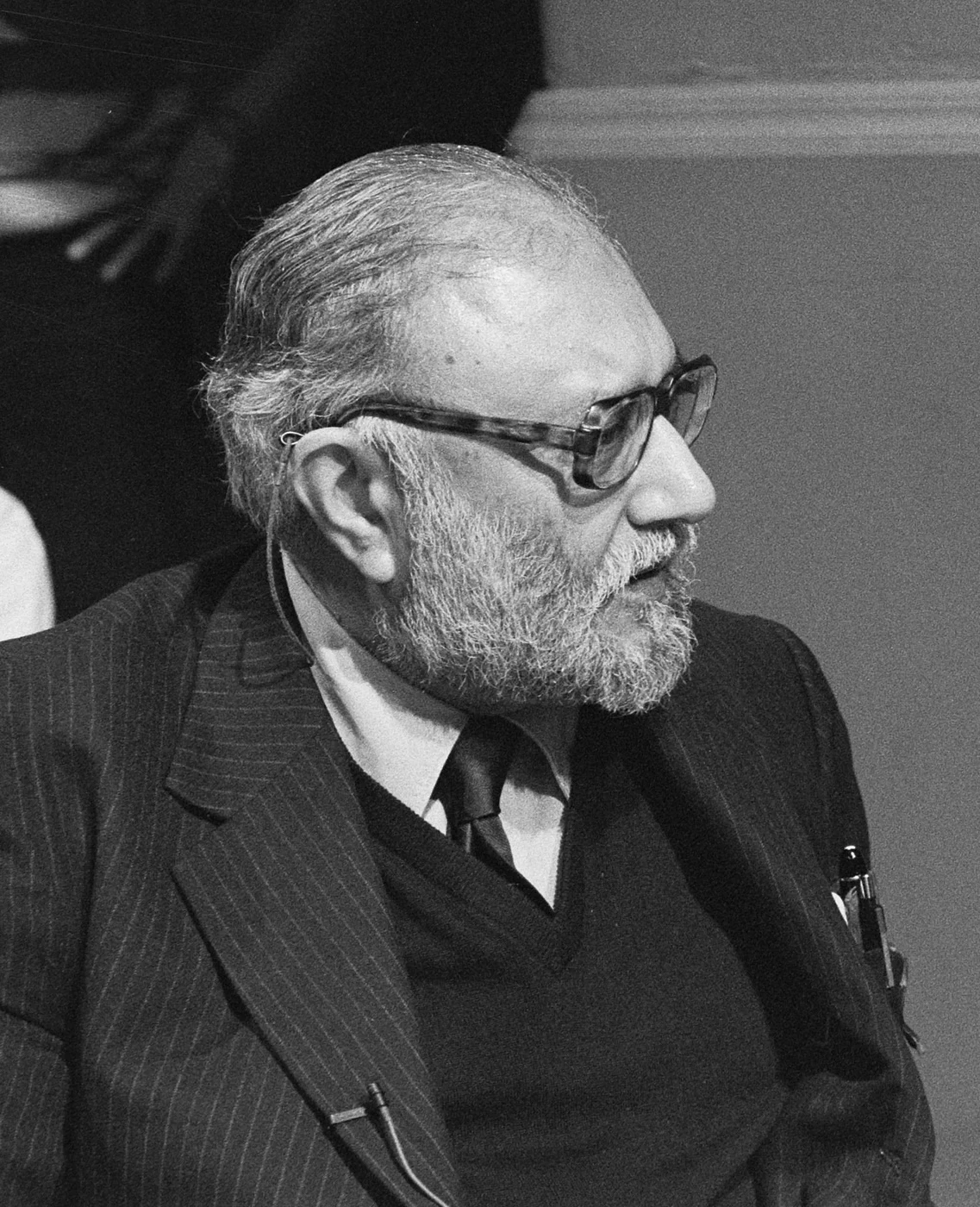
Abdus Salam Jhang vich vadde hoye te Lahore de Government College vich parhe. Agge parhai layi Cambridge gaye. Ohna ne 1979 da Physics Nobel inaam do hor scientistaan naal sanjha kita. Par ohdi kahani sirf inaam tak nahi mukdi. Trieste vich ICTP banaun vich hissa paa ke ohna ne ghatt vaseele wale mulkan de khojiyan layi milan te sikhan di thaan banai. Ohdi Ahmadi pachhaan te ohde bhaichare naal hoya vitkara vi jeevan da zaroori pasmanzar hai. Eh kahani sanu puchhdi hai: sade pind de bache kol kitab, changa ustad te sawaal puchhan da mauka hai? Salam nu yaad karan da ik raah hor lokan layi ilm de darwaze kholhna vi hai.
Poora khoj lekh — English
A Punjab beginning
Abdus Salam grew up in Jhang and studied at Government College, Lahore, before going to Cambridge in 1946. The Nobel Foundation’s biographical record places his birth in Jhang in 1926. His education linked a small-town Punjabi childhood to some of the world’s leading research institutions. In 1979 he shared the Nobel Prize in Physics with Sheldon Glashow and Steven Weinberg for work on the unified theory of the weak and electromagnetic interactions.
It is tempting to tell this life as a simple journey from a village to a medal. That leaves out what makes it useful to a Punjabi reader. Learning depends on teachers, books, encouragement and the chance to keep asking questions. A child’s address does not describe the limits of that child’s ability. Salam’s story can open a conversation about which opportunities exist in our own towns, and who still finds the door closed.
Building a scientific meeting place
At Imperial College London, Salam helped establish a major theoretical-physics group. He also helped found the International Centre for Theoretical Physics in Trieste in 1964. The centre created a place where scientists, especially those working in developing countries, could meet, study and maintain connections with international research. His contribution was therefore institutional as well as intellectual: he worked on the problem of who gets to participate in science.
For a cultural website, this matters because culture includes the habits that make learning possible. A library, a patient teacher or a scholarship can change a life as surely as a performance or a poem. Celebrating a scientist should lead us to ask how a school laboratory is supplied, whether girls and boys can both use it, and how young researchers remain connected after leaving Punjab.
Remembering a whole person
Salam’s Ahmadi identity and the discrimination faced by his community are important context for understanding his relationship with Pakistan. A respectful profile should not erase that identity or turn his scientific achievement into a contest over who is entitled to belong. His work was produced through international collaboration, and his Punjabi beginnings remain part of that larger life.
He died in 1996. The useful inheritance is not a claim that every Punjabi must become a physicist. It is an example of ambition joined to responsibility for other learners. A community can honour him by widening access to education, treating evidence seriously and allowing intellectual curiosity to travel across borders. In this reading room, his life sits beside artists, athletes and carers because all helped enlarge the possibilities available to others.