- type
- Grappling sport
- players
- Two wrestlers per bout; competition-specific divisions
- equipment
- Prepared earth or approved mat, according to format
- setting
- Akhara or wrestling venue
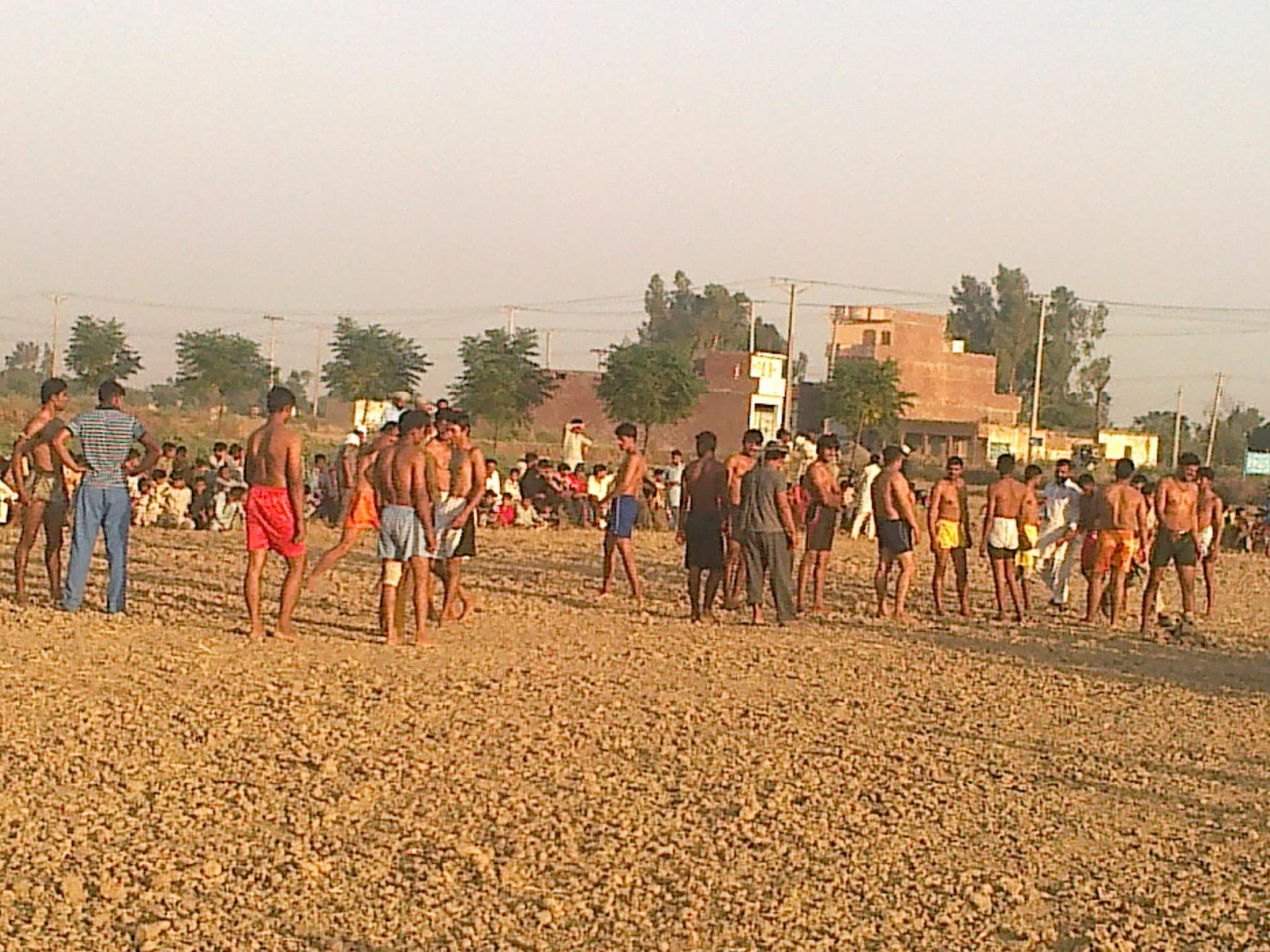
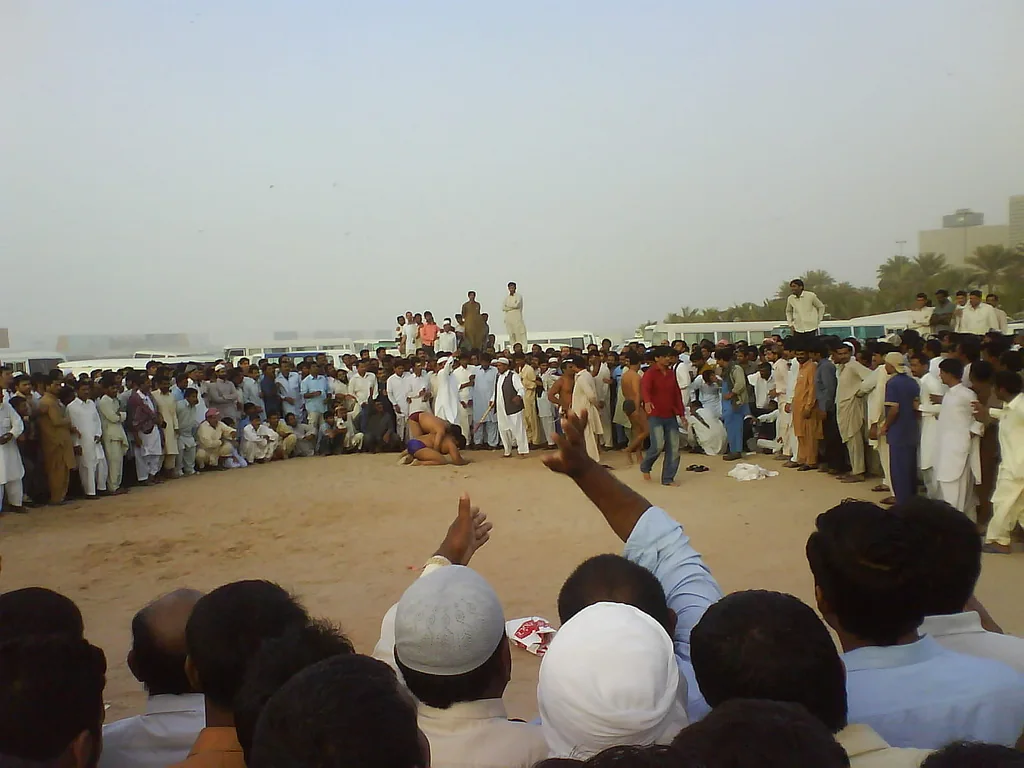
Pehlwan khidari ae, akhara sikhlai di thaan ae ate dangal mukaable da mela. Desi kushti vich tiyar kiti mitti utte hon wale mukaable vi ne, jadke rasmi championship mat utte vi ho sakdi ae. Har dangal layi samaa, jitt di shart ate faisla karan wale bare puchho. Pakistan di federation di tareekh Lahore vich 1953 ton jurrdi ae; maqami akharian dian apnian kahaniyan vi aham ne. Mukaabla vekhde pairan, kullhian, santulan ate pakar utte nazar rakho. Nawa sikhhan wala video ton daav nakal karan di thaan ustad kolon bunyad sikhe. Akhare di yaad vich saathi ate ustad vi champion jinne zaroori ne.
Pind te ilaqe mutabiq naa ate asool badal sakde ne. Apni riwayat sanjhi karde hoye thaan, samaa ate sikhaun wale bande da naa daso. Tafseeli lekh de hawale vi parho; ajj di tabdeeli nu purani riwayat ton vakh pachhano.
Poora khoj lekh — English
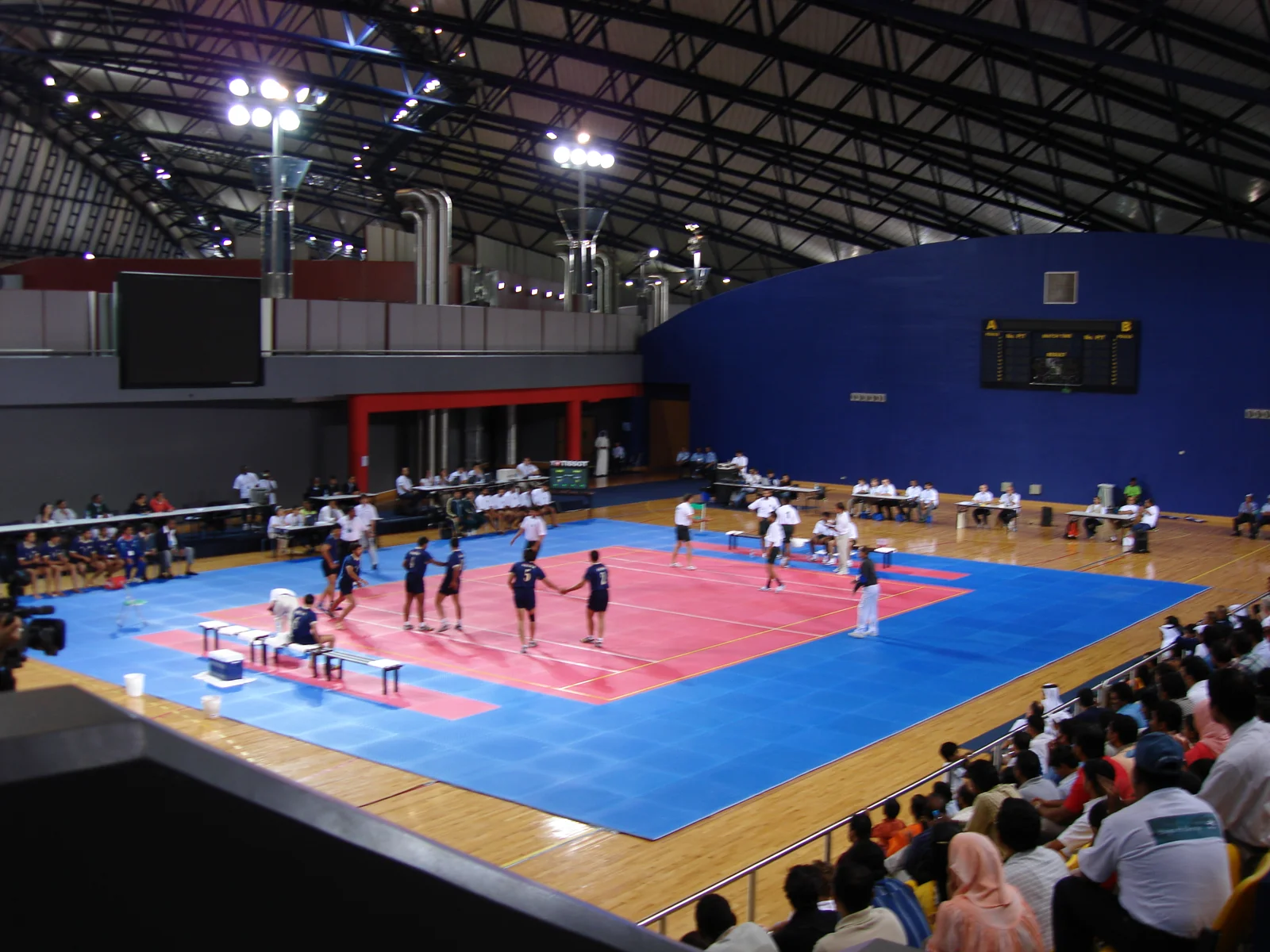
A pehlwan is a wrestler; an akhara is the setting of training and practice; a dangal is a wrestling meet. These words open a sporting world in which a bout sits within the work of teachers, training partners and a local community. Kushti belongs in Punjabi sports coverage beside both village wrestling and the mat-based sport seen at formal championships.
The Traditional Games Federation of India describes traditional contests on prepared earth and emphasises variation in local match arrangements. Its account discusses pinning as a route to victory, with the precise winning condition depending on the contest. A visitor should therefore ask about the surface, duration, officiating and agreed finish instead of assuming every dangal follows the same rules.
Formal wrestling has its own institutional history. Pakistan’s Olympic association records the formation of the Pakistan Amateur Wrestling Federation in Lahore in 1953, after national championships had already taken place in 1948, 1950 and 1952. That federation history is related to, but does not replace, the histories of local akharas and desi-kushti events.
Watching a bout, notice stance, balance and the work of gaining a useful grip. The action often becomes clearer when you follow the feet and hips, not only the apparent strength of an upper-body hold. A technically controlled movement can change a contest in a moment.
For someone returning to wrestling through family memory, a coached beginner session is a better start than copying a dramatic throw from a clip. Ask which rules and age groups the club teaches, how the training surface is maintained and how beginners are paired. The memorable part of an akhara story may be a teacher’s correction, a first competition or years of training together—not only the name of a champion.