- type
- Contact team sport
- players
- Two teams; the competition specifies squad and on-court numbers
- equipment
- Marked rectangular court and suitable playing surface
- setting
- School, club or federation competition
Standard kabaddi da court do hissian vich vandeya hunda ae. Raider chhoh la ke apne paase muran di koshish karda ae, jadon bachaao wale us nu rokde ne. Naal ditta rulebook raid da samaa, cant, baulk line ate sahi waapsi de asool samjhaunda ae. Khali raid, do-or-die raid ate ghatt defenders wale catch nu usi rulebook de sandarbh vich parho. Score de naal court utte bache khidari vi gino; ginti badlan naal bachaao di banawat badaldi ae. Circle ate standard kabaddi ik-dooje naal jurrian ne, par maidan te mukaable da dhang vakh ae. Khedan layi coach kolon sahi technique sikho.
Pind te ilaqe mutabiq naa ate asool badal sakde ne. Apni riwayat sanjhi karde hoye thaan, samaa ate sikhaun wale bande da naa daso. Tafseeli lekh de hawale vi parho; ajj di tabdeeli nu purani riwayat ton vakh pachhano.
Poora khoj lekh — English
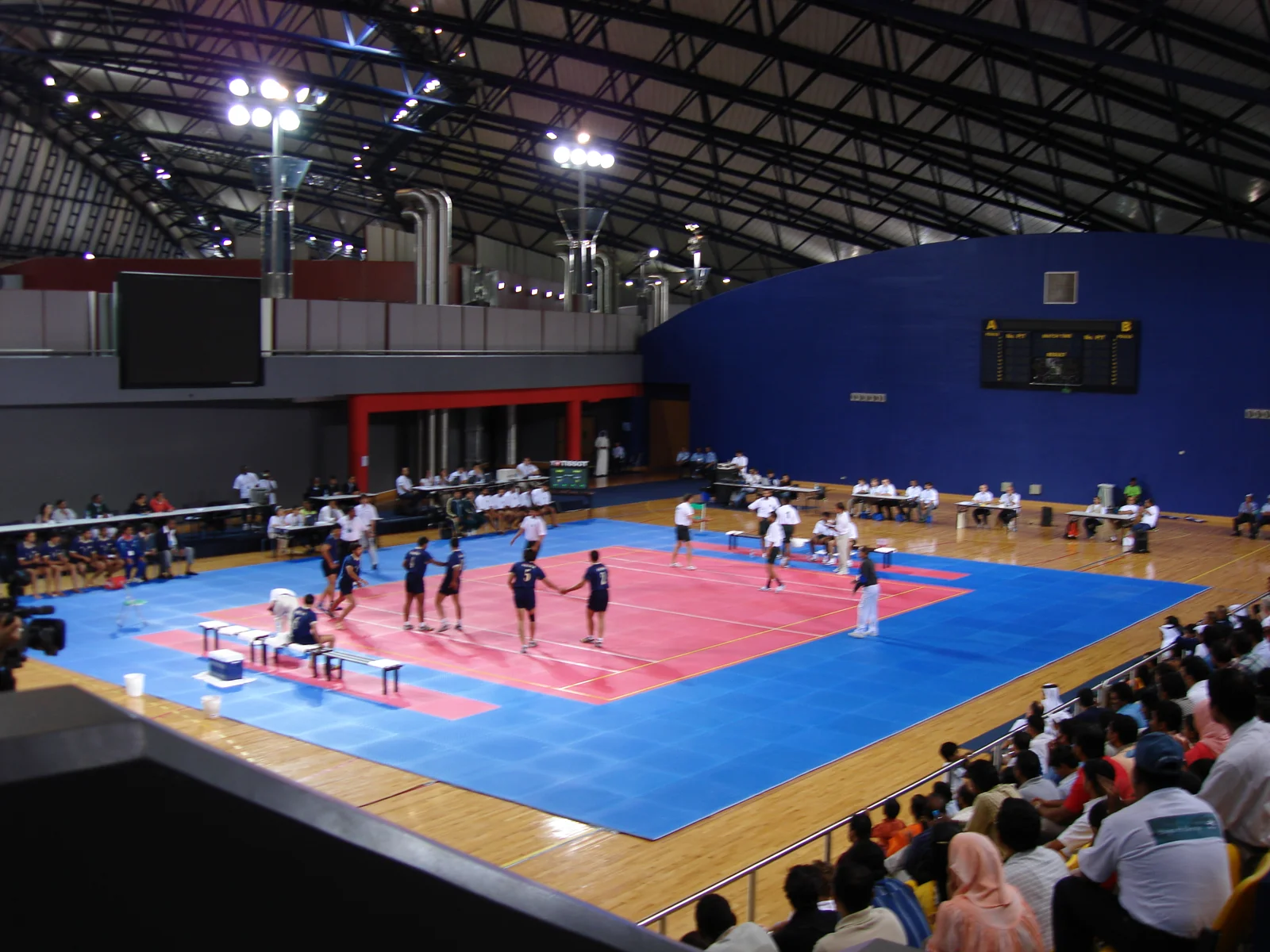
Standard kabaddi uses a rectangular court divided into two halves. One side sends a raider into the opponents’ half, while defenders try to stop a safe return. The raider’s job is not simply to run quickly: the challenge is to create a scoring touch and get home under the rules of the raid.
The IKF-aligned rulebook linked here explains the cant, the raid and a valid return within 30 seconds. It also describes touches, catches and the baulk line. A defender who is touched is put out when the raider returns safely in accordance with the rules; a successful defensive catch can instead turn the raid in the defending side’s favour.
When a commentator talks about an empty raid, the raider has returned without scoring or losing a point. The cited rules use a do-or-die raid after two empty raids by a side, and a super catch when three or fewer defenders are defending. Those terms belong to a particular rules framework, so a school match, local league and international competition should each be read against their own published regulations.
A useful viewing habit is to track both the score and the players remaining on court. Notice how a defensive formation changes when fewer people are available, and how a raider changes pace near the midline. The rules are easier to understand through one complete raid than through a list of exciting highlights.
Standard and circle kabaddi share a language of raiding and defending, but their field layouts and contest structure differ. A tournament page should tell you which game is on the programme. For organised play, ask a coach about the correct age division, contact technique and current rulebook before treating a television match as a training lesson.