Bhangra de chukke hath ate dhol di taal Punjab da mashhoor darwaza ne, par hor naawan te riwayatan nu vi jagah deo. Giddhe vich bolian ate harkat ikatthe gall karde ne; Jhummar ate Luddi dian apnian peshkarian te mauke ne. Vancouver da museum costume raahin pardes vich dance de badalde roop ate teacheran di yaad sambhalda ae. Kapre da tukra, troupe da naa ate kise mehfil di tareekh vi tareekh da saboot ban sakde ne. Recording sanjhi karde ilaqa, dance da maqami naa, performers ate saazinde darj karo. Ustad nu taal samjhaun deo; ik roop nu sareyan di akhiri pehchaan na banao.
Eh Punjabi saar tuhanu poore khoj-lekh wal lai janda ae. Tafseel ate hawale hethaan parho. Je tuhade ghar, pind jaan muhhalle di yaad is naal jurdi ae, taan apna tajurba thaan te same de naal sanjha karo; nijji yaad ate tasdeeq-shuda tareekh nu vakh pachhano.
Poora khoj lekh — English
Bhangra is often the first image used to represent Punjab: raised arms, a strong beat and colourful clothing. It is a useful doorway, but it is only a doorway. A living culture also contains other named dances, local repertoires, community occasions and changing performance styles. The question is not which one is the single authentic dance. It is who is dancing, where, with what music, and for what occasion.
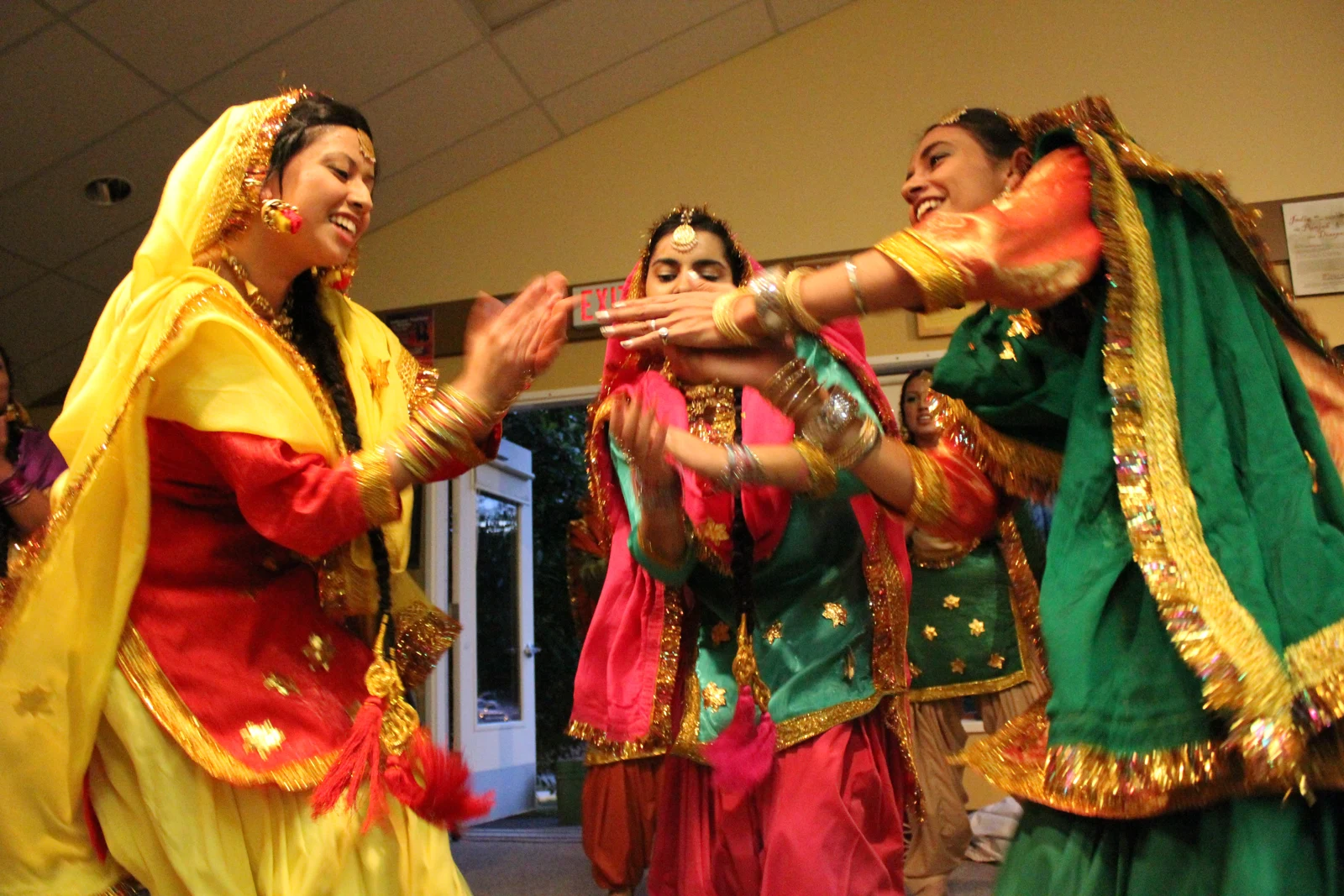
Giddha brings poetic speech and movement together. The Museum of Vancouver’s costume record describes its traditional association with women and couplets, while documenting a particular Canadian change: women were already participating in Vancouver Bhangra teams in the early 1970s. The museum links those teams to public performance, encounters with racism and efforts to build connections between communities. This is a regional history of adaptation, not a rule about who may dance today.
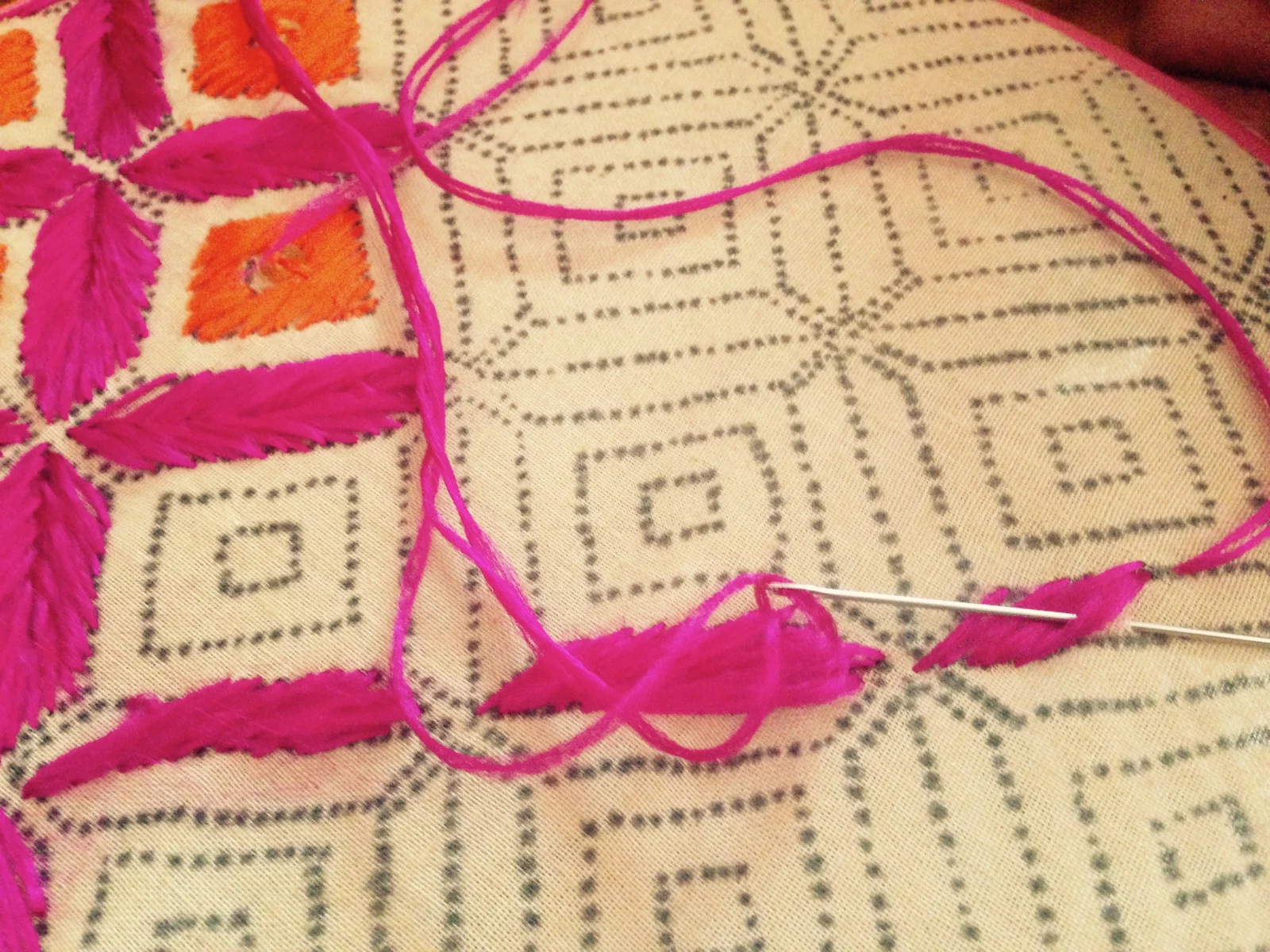
That record also makes costume into evidence. A donated outfit combines pieces used at different times, and its history names a teacher and troupe. Performance clothes can be made at home, commissioned or assembled from everyday garments. Their embroidery, fabric and accessories tell stories about work and migration alongside the choreography.
Other institutions record other parts of the repertoire. District Khanewal’s February 2021 spring-festival plan explicitly included Jhumar dance. The British Council’s May 2022 public programme in London listed Luddi circle dancing. These are dated examples of named traditions in different settings; neither establishes a full history or a universal set of steps.
The Smithsonian’s 2010 festival archive, meanwhile, documents Punjabi American Bhangra and Giddha presentations. Watching a performance becomes richer when its date, troupe and setting remain attached to it. When you share a village or college recording, add the dance’s local name and credit the performers and musicians. Let a teacher explain the rhythm and variations. Preserving difference makes the cultural picture larger, and leaves room for the next generation to move within it.