Full research text is currently in English. Punjabi titles and reading versions are being expanded.
Dr Muhammad Amjad Saqib and the idea of a first loan
Saqib traces Akhuwat’s first loan to a conversation in 2001 with a woman whose husband had died. She wanted a way to provide for her family. In his interview with the Suleman Dawood School of Business at LUMS, he describes how that encounter became a starting point for Akhuwat. The organisation that emerged built a programme around interest-free small loans in Pakistan. The first encounter is part of the founder’s account and helps explain why the model begins with how a household expects to earn and repay.
The household behind the application
A small loan can pay for material, tools or stock before a trade earns anything back. The lender and borrower have to judge when money is likely to return. A home-based business may balance paid work with childcare, travel or care for an older relative. Repayment therefore needs to be understood in the context of a household’s calendar and other commitments. Even a loan that carries no interest creates an obligation.
Akhuwat’s model speaks to people for whom conventional borrowing can be difficult to reach. It relies on donations, institutional organisation and borrowers returning funds that can be used again. For a reader comparing accounts of such a programme, a repayment figure tells one part of the story. A longer view asks whether the business can cover operating costs and whether earnings remain dependable after a hard month.
From the loan programme to residential education
At a November 2026 gathering in Bahria Town, Lahore, Saqib spoke about both lending and education. Daily Times reported that he highlighted residential education in Kasur and at Akhuwat Women College in Chakwal. Those campuses show a second side of the organisation’s work. Someone who grew up far from a college can face housing, food and transport questions even when a classroom seat is available. Providing accommodation addresses a barrier that tuition support alone may leave in place.
A school and a lending programme also operate on different timelines. A small enterprise may begin trading soon after buying supplies. A student needs enough years with stable teaching and support to complete a qualification. What happens after graduation can then say more about access and opportunity than counting places on the day students arrive.
Bringing the story back to Punjab
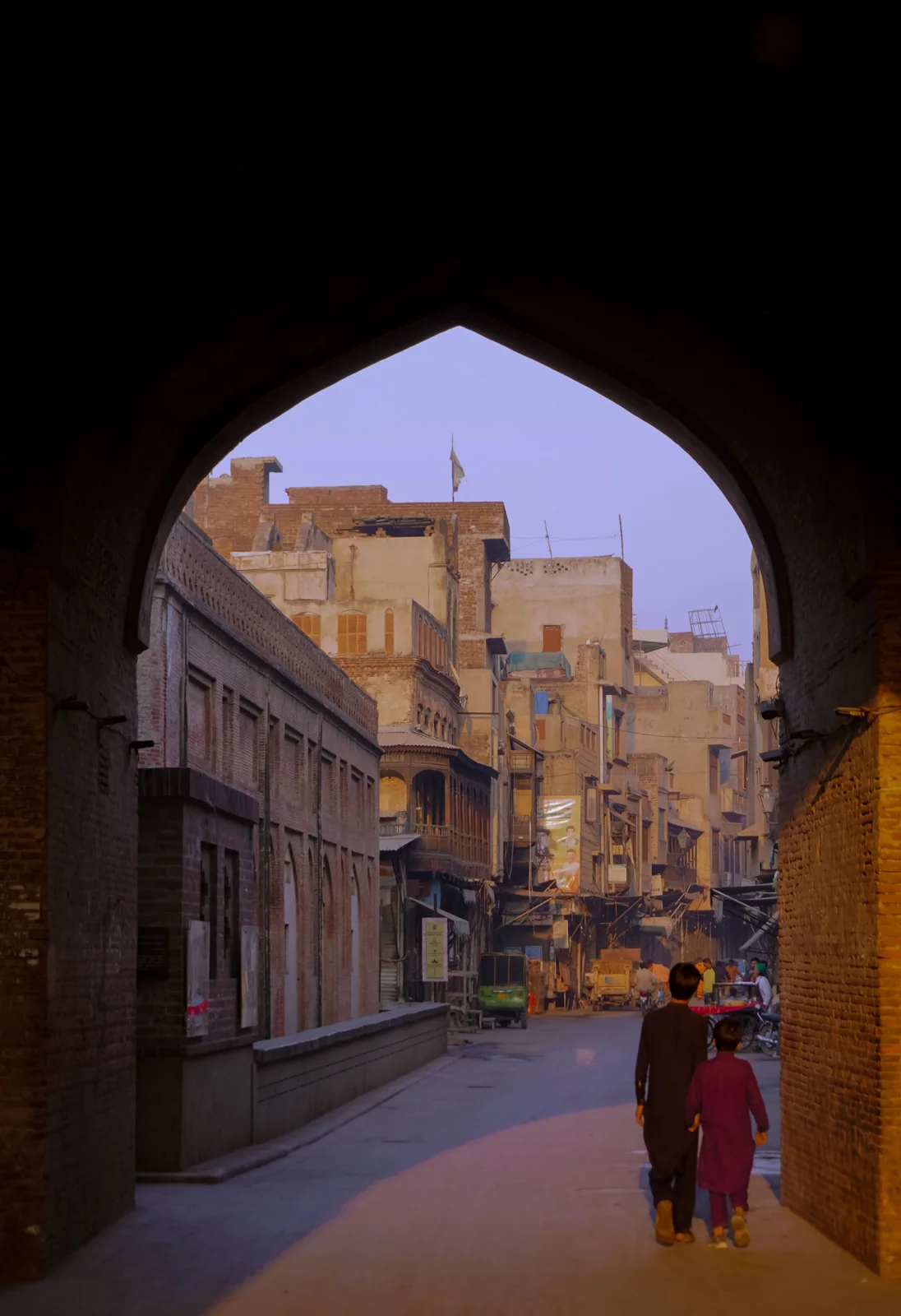
The Lahore event gives current readers a reason to revisit the founding account. Its service model can be understood through specific decisions made close to home, from how the first borrower proposed to work to how a student from another district can live near a classroom. Daily Times attributes Akhuwat’s cumulative lending and recovery figures to Saqib. Those are organisation-reported totals. Experiences of borrowers over time and the progress of students give readers other ways to understand what the work means.