- Shayar
- Baba Farid
- Period
- c. 1173–1265/66
- Origins
- Khotwal/Kothewal in the Multan region, according to traditional biographies
Farida, bure da bhala kar; gussa mann na handha.
— Baba FaridSalok 78, in the Farid section of Sri Guru Granth SahibKitaaban te rachnavan
▤ Salok Sheikh Farid▤ Farid baniFariduddin Masud Ganj-e Shakar madhkaali Punjab de aham Chishti ustad san. Ajodhan, ajj da Pakpattan, unhan di taleem da kendar baneya. Unhan de naa heth Guru Granth Sahib vich sambhalia Punjabi kalam boli di gehri sanjh dikhaunda ae, jadke unhan da Muslim Chishti sandarbh vi aham ae. Jeewan diyan tareekhan ate kujh kalam di nisbat utte hawalian vich farak milda ae; eh farak lukaauna nahi chahida. Roz di zindagi de chittar maut, akhlaq ate roohani dhyaan wal lai jande ne. Poora shalok parho, gaun di awaaz suno ate tarjume de lafzan nu asal naal mila ke vekho.
Eh Punjabi saar poore lekh wal jaan da pehla raah ae. Tafseeli Angrezi khoj, kitabaan de naa ate hawale hethaan ne. Kalam parhde jaan sunde hoye chhapi edition, tarjuman ate gaun wale nu vakh vakh pachhano; mashhoor hon naal har tuk di nisbat pakki nahi ho jandi.
Poora khoj lekh — English
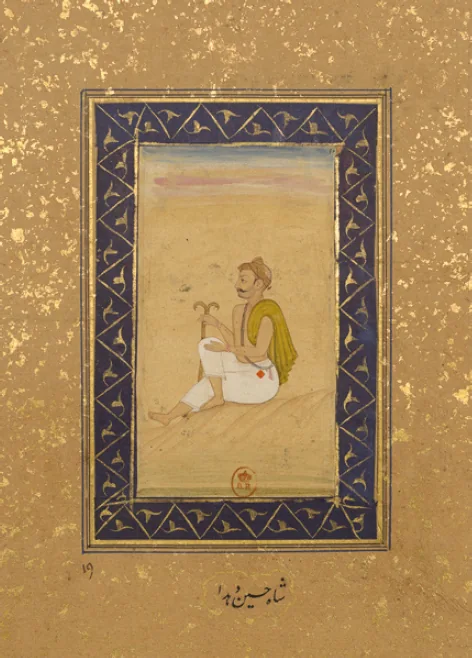
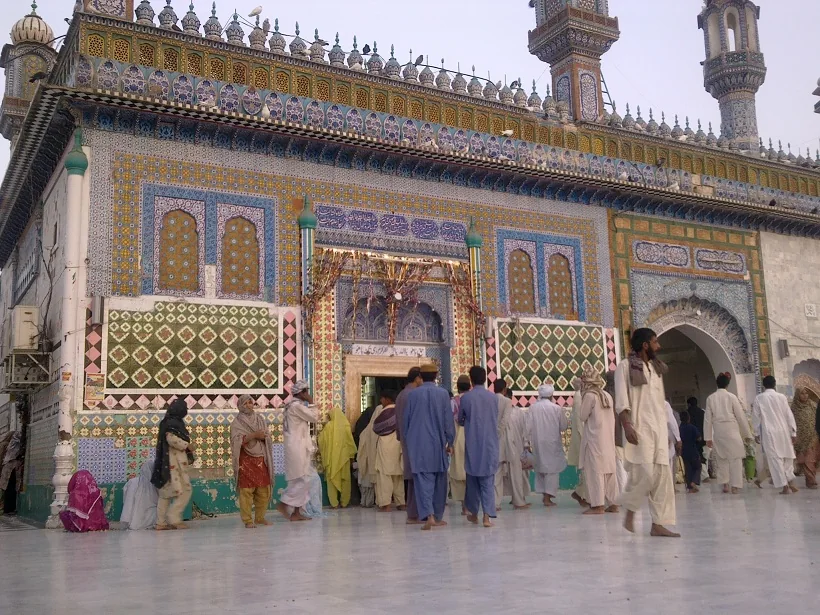
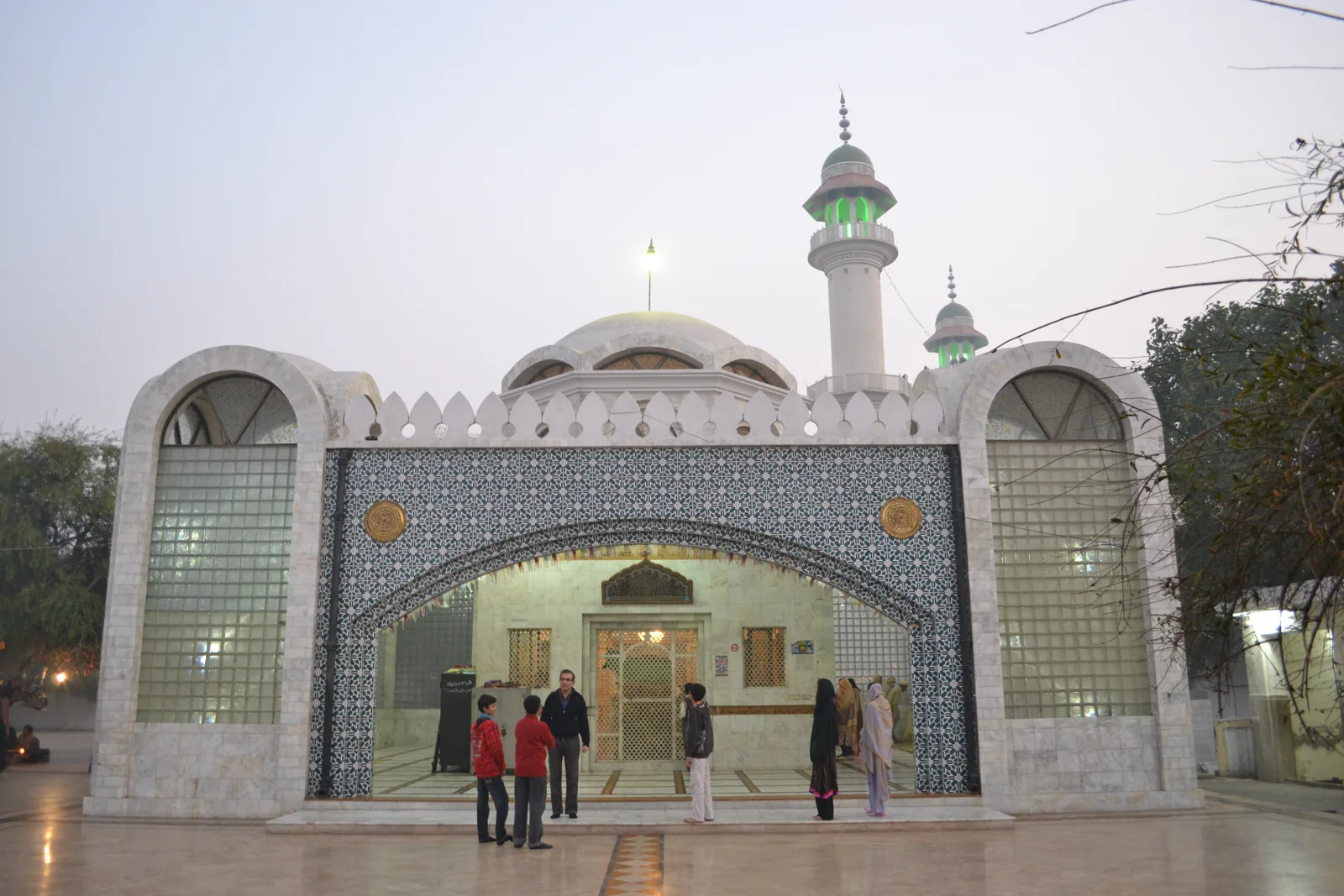
Baba Farid, or Fariduddin Masud Ganj-e Shakar, was a major Chishti Sufi teacher associated with medieval Punjab. Punjabi University’s Encyclopaedia of Sikhism gives the traditional dates 1173–1265, while Encyclopaedia Iranica uses a less exact late-twelfth-century birth. His life connected religious learning with the places where people travelled, sought instruction and received hospitality. Ajodhan, now Pakpattan in Pakistan, became an important centre of his teaching and remains associated with his shrine.
Farid matters to Punjabi literature because language used close to everyday experience could carry demanding reflections on mortality, conduct and spiritual attention. Punjabi University describes the verses preserved under his name in the Guru Granth Sahib as four shabads and 112 shaloks. Their presence in Sikh scripture is a concrete literary connection; it does not require erasing the Muslim, Chishti setting of the historical teacher.
Attribution deserves care. The university entry defends the traditional association of this bani with Farid, whereas Iranica notes a scholarly possibility that some sayings were composed by a later Chishti teacher, Ibrahim, also known as Farid Sani. These sources disagree. A responsible introduction can honour the received tradition while leaving the textual question visible.
Begin with a complete, credited edition rather than a social-media quotation. Notice who is speaking, what ordinary image is being used, and how a translation handles it. In a reading group, compare the sound of a recitation with the printed text and record the edition and performer. The result can be a conversation across belief and generation: not everyone must interpret the poem identically to listen carefully to it.