- Shayar
- Shah Hussain
- Period
- 16th century; exact dates vary between biographical sources
- Origins
- Lahore, in traditional biographical accounts
Naaon Hussain te zaat julaha.
— Shah HussainKafi line quoted in Punjabi University’s Shah Hussain entryKitaaban te rachnavan
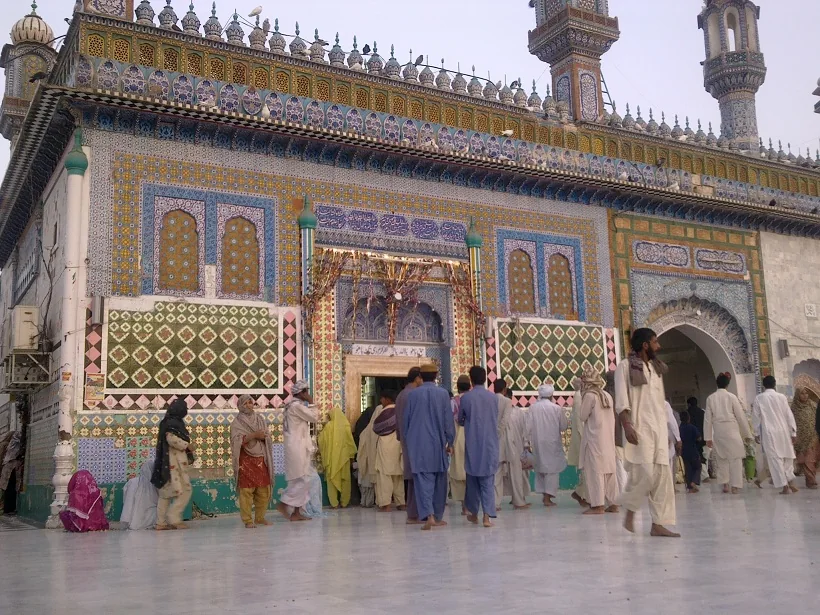
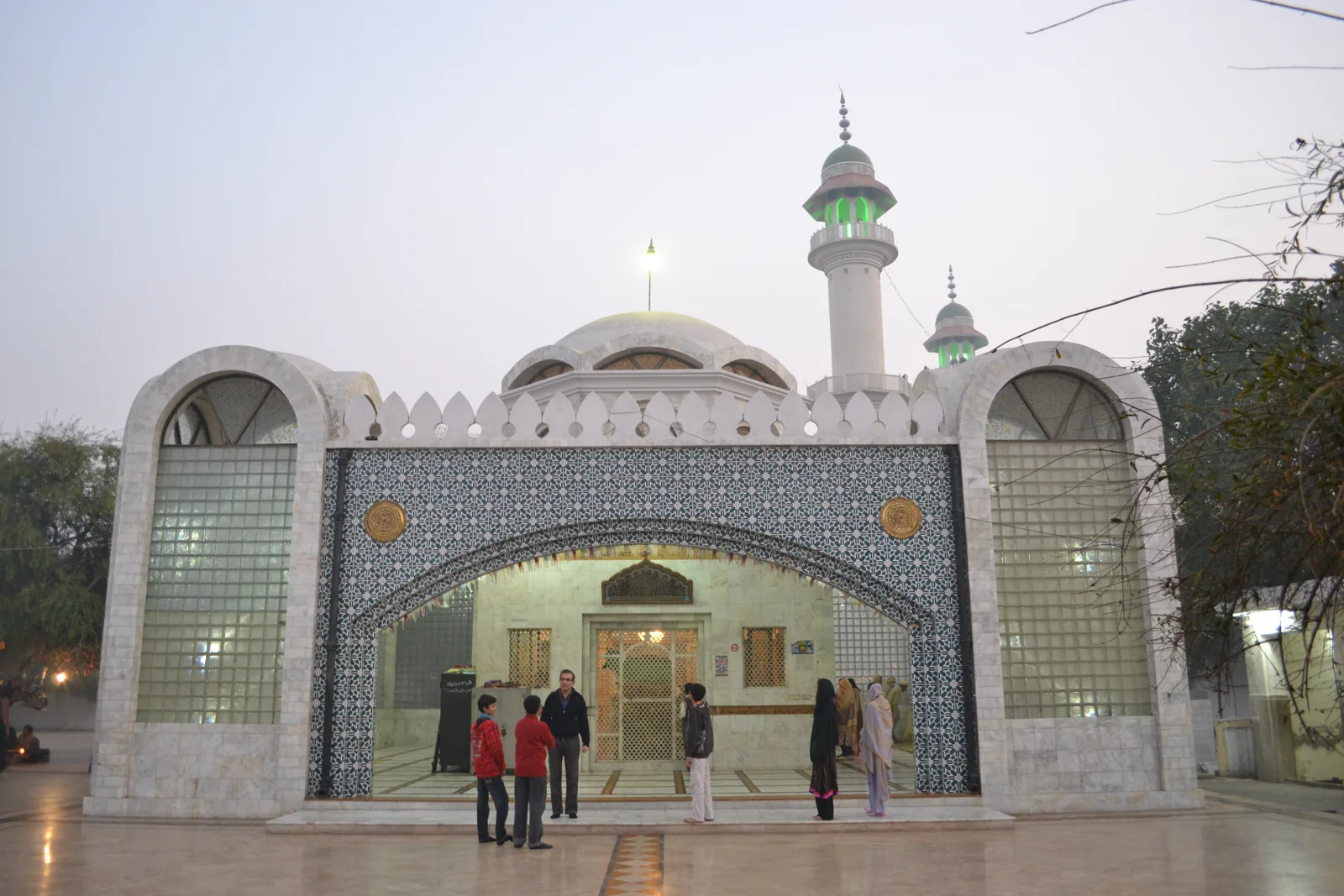
▤ Kafian Shah HussainShah Hussain solhvin sadi de Lahore di Punjabi adabi duniya naal jurde ne. Baghbanpura vich Madhu Lal Hussain de naa naal mashhoor maqbara unhan di yaad da ikk thaan ae. Kalam vich charkha sirf purane Punjab di sajawat nahi: eh hunar, mehnat ate auratan de ikatthe hon di zindagi wal ishara karda ae. Khoj kafi di banawat, mur aunde bol ate gaun di taal utte vi dhyaan dindi ae. Ikk bharoseyog edition di kafi ate naa-samet recording chuno. Puchho ke soot jaan kapre da chittar ki kam karda ae ate is pichhe kis di mehnat nazar aundi ae.
Eh Punjabi saar poore lekh wal jaan da pehla raah ae. Tafseeli Angrezi khoj, kitabaan de naa ate hawale hethaan ne. Kalam parhde jaan sunde hoye chhapi edition, tarjuman ate gaun wale nu vakh vakh pachhano; mashhoor hon naal har tuk di nisbat pakki nahi ho jandi.
Poora khoj lekh — English
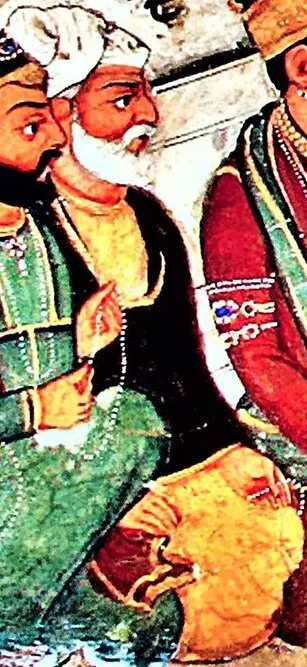
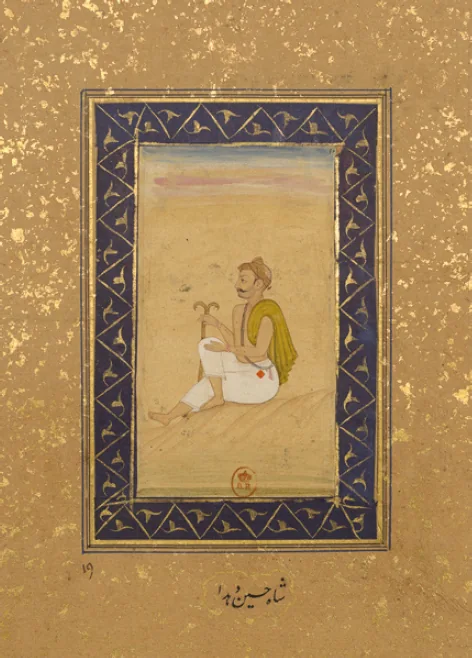
Shah Hussain belongs to Lahore’s sixteenth-century Punjabi literary world. Pakistan’s archaeology inventory identifies his Baghbanpura shrine, near Shalimar Gardens, under the name Madhu Lal Hussain and describes him as a pioneer of the kafi. Exact dates vary between references, so the century is the safest short introduction. The shrine gives a place to the memory; the poems give readers a much larger field of experience.
A study by Tanvir Anjum and Naila Pervaiz examines how his verse uses cotton-spinning and weaving. A charkha is more than a decorative sign of an old Punjab: it points to work, skill, material and a social setting. Their reading also attends to the poet’s weaving background, his use of a feminine voice and the spaces in which women spun and gathered. These details connect literary symbolism with the economic and domestic life around it.
Research by Ayesha Latif and Rizwan Akhtar treats the kafi as a changing vernacular form, not an unstructured fragment. Repetition and musical arrangement matter. Hearing a refrain return can change the force of an image that looked simple when it first appeared on the page.
For a first listening session, choose a credited recording and one short poem in a reliable edition. Ask what the spinning, thread or cloth is doing in the passage before assigning a single spiritual meaning. Then ask whose labour makes that image possible. That reading holds together devotion and daily life without reducing either to scenery. If your family used a charkha, a remembered name for a tool or a description of its use can sit beside the literary discussion as personal testimony, clearly credited to its storyteller.