- Shayar
- Bulleh Shah
- Period
- c. 1680–1757/58
- Origins
- Biographical accounts differ; Pandoke near Kasur and Uch traditions both circulate
Bulleya, ki jaana main kaun.
— Bulleh ShahBulleya Ki Jaana Main Kaun, opening refrainKitaaban te rachnavan
▤ Kafian Bulleh Shah▤ Kulliyat Bulleh ShahBulleh Shah da naa Kasur ate unhan de ustad Shah Inayat Qadiri naal jurda ae. Unhan di kafi gaiki, parhat ate roz di gall-baat raahin peedhian tak pahunchi ae. Kapre ate hor rozmarra chittar rutbe, barabari ate apni pehchaan bare sawaal kholh sakde ne. Baad de shair te performer unhan di awaaz ton nave maane vi lainde ne; har ajj da naara Bullah da asli kalam nahi hunda. Poore nazm nu saamne rakh ke parho: mukhatib kaun ae, kis label nu parkheya ja reha ae ate duhraia bol ki badalda ae? Mashhoor recording ate chhapi likhat nu vakh vakh pachhano.
Eh Punjabi saar poore lekh wal jaan da pehla raah ae. Tafseeli Angrezi khoj, kitabaan de naa ate hawale hethaan ne. Kalam parhde jaan sunde hoye chhapi edition, tarjuman ate gaun wale nu vakh vakh pachhano; mashhoor hon naal har tuk di nisbat pakki nahi ho jandi.
Poora khoj lekh — English
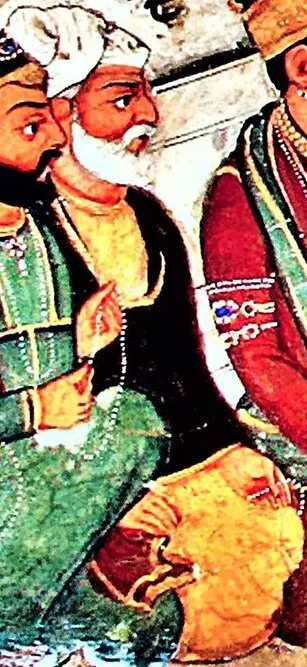
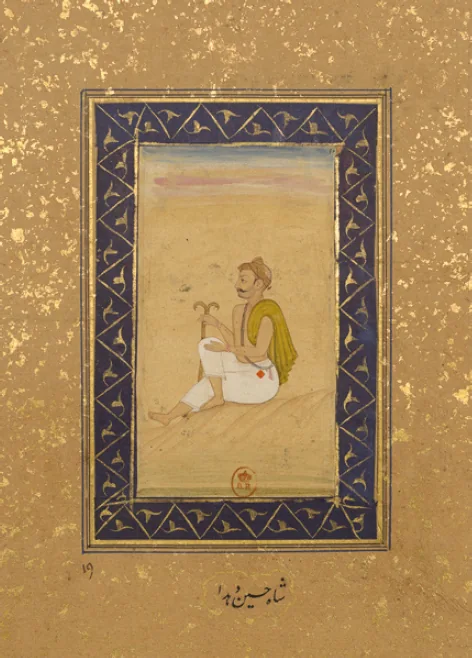
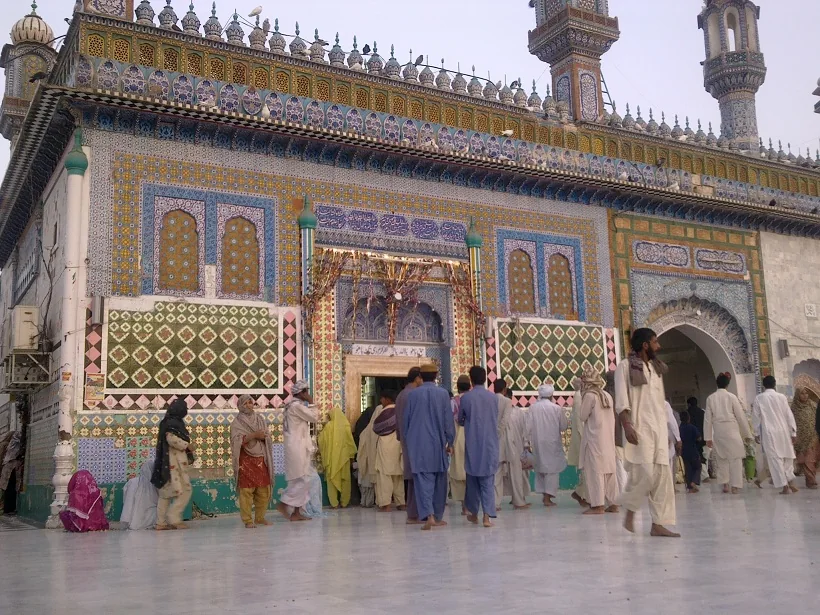
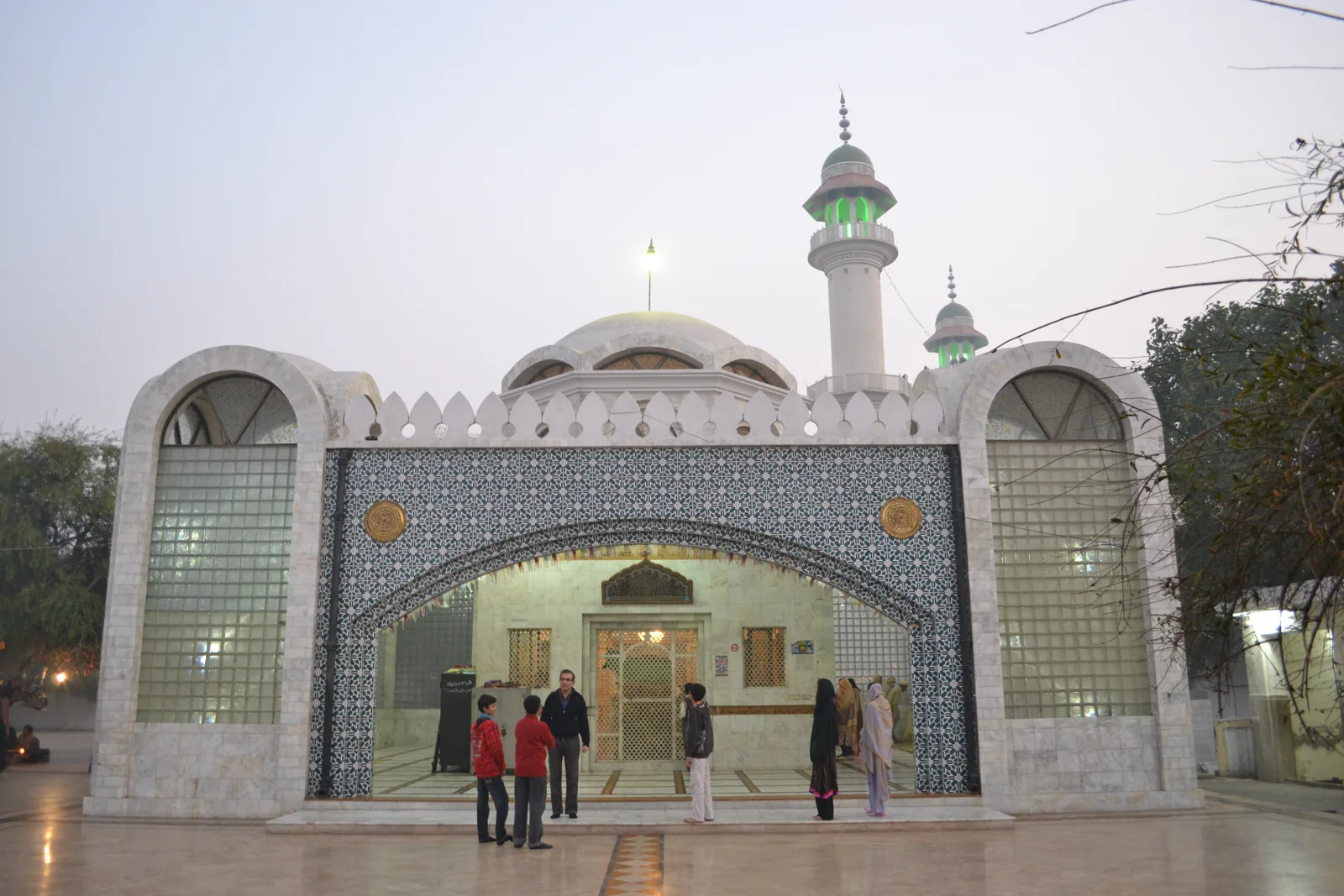
Bulleh Shah, also known as Abdullah Shah Qadri, is closely associated with Kasur. Punjab’s Auqaf department identifies Shah Inayat Qadiri of Lahore as his spiritual teacher and places his work within the Punjabi Sufi tradition. Allama Iqbal Open University gives the familiar dates 1680–1757. His principal poetic form, the kafi, has continued to travel through singing, recitation and everyday quotation.
The important question is not only why a line is memorable, but what it asks of its listener. The research of Latif and Akhtar reads his poetry as an encounter between local Punjabi experience and a multilingual literary world. Cloth and other ordinary materials can open a discussion about status and human equality; familiar language can question authority rather than simply reassure an audience.
Sara Kazmi’s Cambridge thesis examines another part of this afterlife: later Punjabi poets and performers draw on Bulleh Shah’s address, irony and patterns of dissent to speak about their own circumstances. In that reading, the older kafi is not a sealed relic. It supplies a vocabulary that other generations reshape. This is a scholarly interpretation of the tradition, not evidence that every modern slogan attributed to Bullah is his own writing.
Read with the full poem in view. Identify the edition, any translation and the performance separately; a popular recording may combine or rearrange material. In a discussion, try three questions: who is being addressed, which social label is being tested, and what happens when the refrain returns? People can disagree about the answer while remaining attentive to the poem. That approach keeps Bulleh Shah present as a writer whose language still works on us, rather than turning him into a name underneath an attractive but unverified quotation.