- Shayar
- Shiv Kumar Batalvi
- Period
- 1936/37–1973; birth year varies in sources
- Origins
- Bara Pind Lohtian, Shakargarh region, now Pakistan Punjab
Main ik shikra yaar banaya.
— Shiv Kumar BatalviShikra, short opening excerptKitaaban te rachnavan
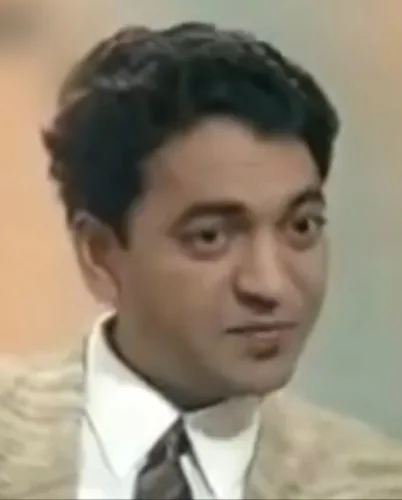
▤ Peeran Da Paraga▤ Lajwanti▤ Aate Diyan Chiriyan▤ Loona▤ Main Te MainShiv Kumar Batalvi 1936 vich Bara Pind Lohtian vich janme, jo ajj Narowal zille vich ae. Vand magron unhan di nisbat Batala naal jurri; 1973 vich unhan da dehant hoia. Birhon di shairi unhan di mashhoor pehchaan ae, par poora kam sirf udaasi nahi. Loona, 1965 di rachna, Puran Bhagat de qisse di us aurat nu fer sunnan da mauka dindi ae jis nu riwayat vich doshi keha janda ae. Is nu 1967 da Sahitya Akademi inaam milya. Gaiki di mithaas de naal rachna, tasveer ate bolan wale di nazar vekho; shair di zindagi nu dukh de afsane tak na ghatao.
Eh Punjabi saar poore lekh wal jaan da pehla raah ae. Tafseeli Angrezi khoj, kitabaan de naa ate hawale hethaan ne. Kalam parhde jaan sunde hoye chhapi edition, tarjuman ate gaun wale nu vakh vakh pachhano; mashhoor hon naal har tuk di nisbat pakki nahi ho jandi.
Poora khoj lekh — English
Shiv Kumar Batalvi was born in 1936 at Bara Pind Lohtian, a village now in Pakistan’s Narowal district, and became associated with Batala after Partition. He died in 1973. A study by Safir Rammah and Manu Sharma, published in the Journal of Punjab Studies, reconstructs his life using written sources and interviews rather than relying only on the powerful legend surrounding a poet who died young.
His reputation for the poetry of separation is important, but it is not the whole work. The study describes a writer who combined modern poetic feeling with Punjabi literary and folk resources. It also records the force of his public recitations. A poem’s remembered emotional impact is part of its reception; the reader still needs to attend to structure, imagery and the choices made by the speaker.
Loona, first published in 1965 according to the scholarly study, received the Sahitya Akademi award in 1967. The verse play reworks the Puran Bhagat legend, asking readers to reconsider the young woman cast as its villain. This makes it a strong starting point for a discussion about marriage, judgement and whose account a familiar story allows us to hear. The family literary website’s bibliography also points to collections such as Lajwanti and Main Te Main and to a later English edition of Luna issued by Sahitya Akademi.
Begin with a complete work or a credited recording paired with the text. A discussion can admire the musical voice without treating illness, alcohol or early death as the price of poetic talent. Ask what the writing accomplishes rather than diagnosing the poet from a verse. Comparing a childhood memory of a song with a later reading of Loona can reveal how a familiar voice gains new complexity as its listener grows older.