- Shayar
- Surjit Patar
- Period
- 1945–2024; official documents also used a 1944 date
- Origins
- Pattar Kalan, Jalandhar district, Indian Punjab
Kujh keha tan hanera jarega kiven.
— Surjit PatarKujh Kiha Tan Hanera Jarega Kiven, opening lineKitaaban te rachnavan
▤ Hawa Vich Likhe Harf▤ Birkh Arz Kare▤ Hanere Vich Sulagdi Varnmala▤ Lafzan Di Dargah▤ Patjhar Di PazebSurjit Patar di nisbat Jalandhar zille de Pattar Kalan naal ae. Oh Punjabi shair ate PAU de ustad rahe; unhan da dehant 11 May 2024 nu hoia. Hawa Vich Likhe Harf, Birkh Arz Kare, Hanere Vich Sulagdi Varnmala ate Lafzaan Di Dargah unhan dian kitabaan vich ne. Unhan di apni biodata vich janam di yaad ate rasmi record vakh ditte ne; chhoti jeewani vich vi eh farak sambhalna chahida ae. Classroom, radio ate pardes dian mehfilan unhan de adabi jeewan da hissa san. Ikk collection di parhat nu credited recording naal jorh ke thahrao ate awaaz da farak suno.
Eh Punjabi saar poore lekh wal jaan da pehla raah ae. Tafseeli Angrezi khoj, kitabaan de naa ate hawale hethaan ne. Kalam parhde jaan sunde hoye chhapi edition, tarjuman ate gaun wale nu vakh vakh pachhano; mashhoor hon naal har tuk di nisbat pakki nahi ho jandi.
Poora khoj lekh — English
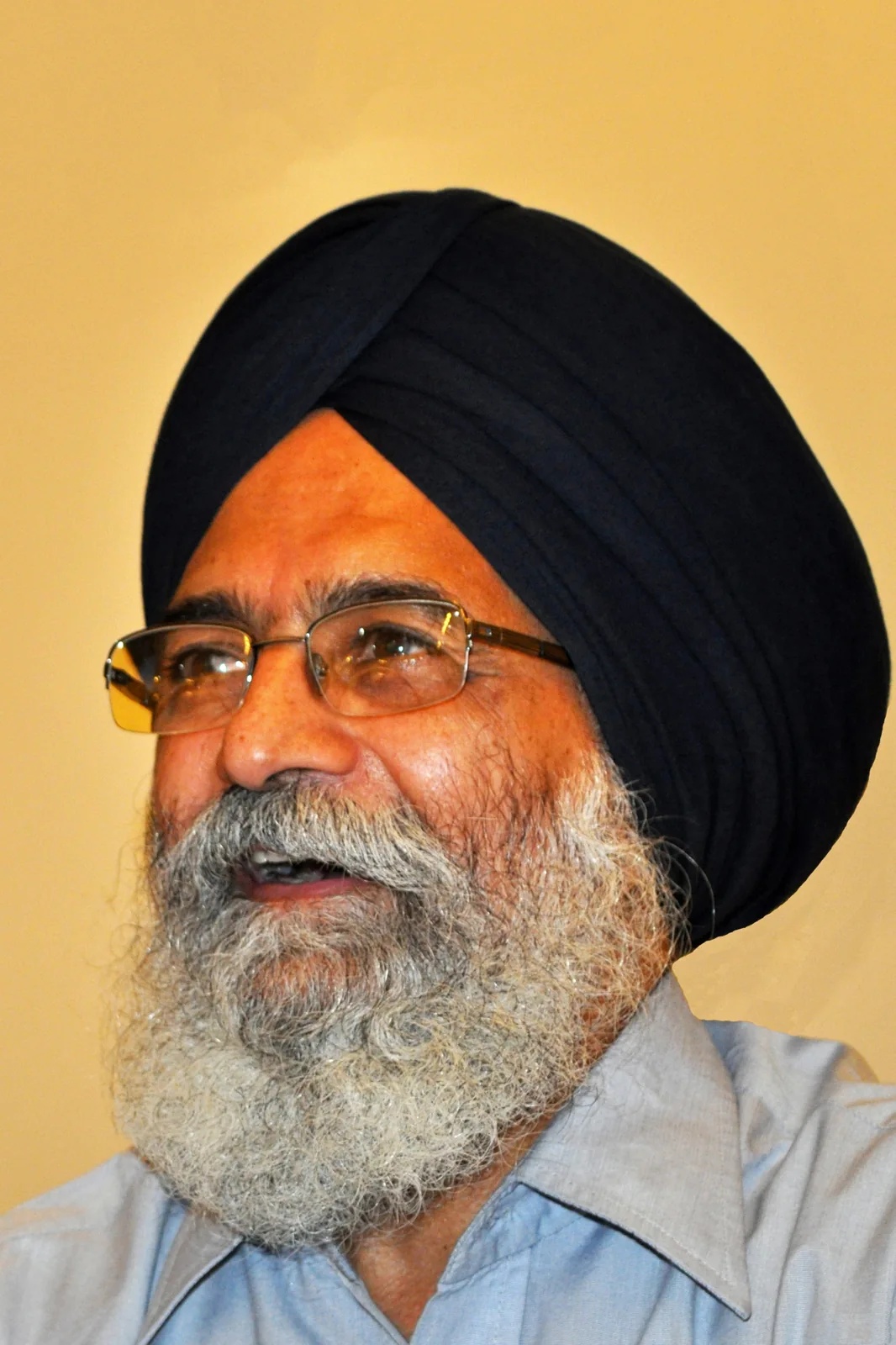
Surjit Patar came from Pattar Kalan in the Jalandhar district and became a major Punjabi poet, teacher and literary presence. His own biodata preserves a useful detail that short biographies often flatten: it gives a remembered birth in Maghi 1945 alongside an official record of 15 April 1944. Punjab Agricultural University’s obituary confirms his death on 11 May 2024 and his career there as a professor of Punjabi.
The first-party bibliography lists Hawa Vich Likhe Harf, Birkh Arz Kare, Hanere Vich Sulagdi Varnmala, Lafzaan Di Dargah and other poetry collections. Sahitya Akademi’s register records the 1993 award for Haneray Vich Sulgadi Varnmala. Spellings vary in Roman transliteration; identify the edition when searching or citing a title instead of assuming every spelling names a different work.
Patar’s public literary work extended beyond the printed collection. His biodata lists scripts and presentations on the history of Punjabi poetry, programmes on folk forms and poetry visits in several diaspora countries. PAU’s tribute connects his writing with the years he spent teaching. This is a practical reminder that a language’s literary life can be sustained in classrooms, public readings and broadcasting as well as through books.
For a first encounter, choose one collection and one credited recording. Notice the difference between reading silently and hearing the poet or another performer shape a pause. A conversation can begin with the sound, then return to the page to check what was actually written. Readers who first met his work in a college event or an overseas gathering can contribute a specific memory: the year, the setting, the work if known, and what stayed with them. Such accounts describe reception while allowing the poem to remain larger than any one listener’s experience.