- Shayar
- Waris Shah
- Period
- 18th century; precise life dates disputed
- Origins
- Jandiala Sher Khan, now Sheikhupura district, Pakistan Punjab
Avval hamd Khudai da vird kije, ishq kita su jagg da mool miyan.
— Waris ShahHeer, opening stanzaKitaaban te rachnavan
▤ Heer Waris ShahWaris Shah Jandiala Sher Khan de san ate unhan di mashhoor Heer 1766 di likhat ae. Heer-Ranjha di riwayat pehlan vi maujood si; Waris da kamaal us nu apni boli, gallan-baatan ate samaji nazar naal nava adabi roop dena ae. Qisse vich sirf do premian da anjaam nahi, lokan da kam, jhagre, samjhaute ate ikhtiyar di boli vi parho. Dargah jaan ilaqe di nisbat har manzar nu tasdeeq-shuda tareekh nahi banaundi. Ikk scene nu do editionan jaan recordingan vich vekho. Ghar de kise bande ton Heer sunnan di yaad vi adab de lokan tak pahunchan di sohni gawahi ban sakdi ae.
Eh Punjabi saar poore lekh wal jaan da pehla raah ae. Tafseeli Angrezi khoj, kitabaan de naa ate hawale hethaan ne. Kalam parhde jaan sunde hoye chhapi edition, tarjuman ate gaun wale nu vakh vakh pachhano; mashhoor hon naal har tuk di nisbat pakki nahi ho jandi.
Poora khoj lekh — English
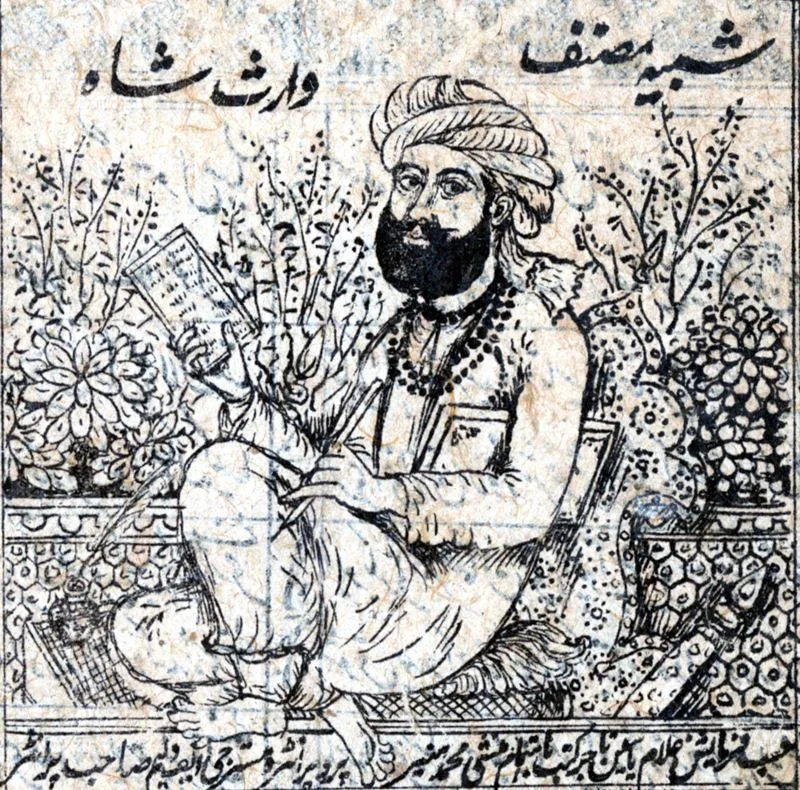
Waris Shah was born at Jandiala Sher Khan in the Sheikhupura area of present-day Pakistan. The Academy of the Punjab in North America gives his dates as 1722–1798 and dates his celebrated version of Heer to 1766. He did not invent the existence of the Heer–Ranjha tradition; his achievement was a particular literary rendering of it, with a voice and social range that made his name inseparable from the story.
The APNA account stresses the work’s Punjabi idiom, sayings and close observation of eighteenth-century life. That makes Heer more than a summary of two lovers’ fate. A reader can attend to the way characters argue, how authority speaks, and how a narrative places intimacy inside a larger social world. The romance is legendary: associations with a real place or a shrine do not verify every scene as a historical event.
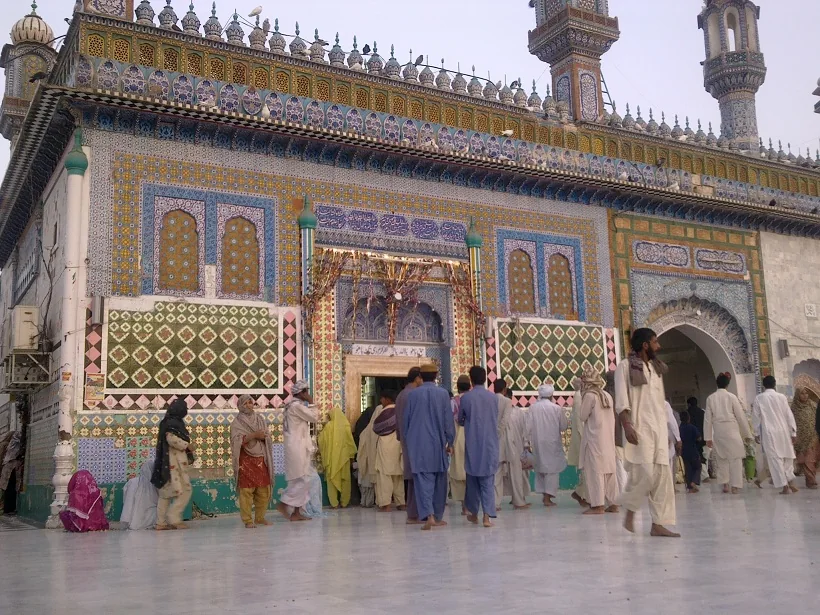
Waris Shah’s heritage is also being interpreted through objects and public space. Punjab’s Auqaf department describes a cultural gallery at Jandiala Sher Khan that brings the poet and Heer together with documentary displays and everyday objects such as a tawa, an earthen water vessel and weighing equipment. These items offer a useful way into the material setting of a poem, although the announcement is not a current visitor timetable.
Start with an edition that identifies its editor or translator. Read a scene before rushing to a famous stanza, and compare how dialogue sounds when spoken aloud. A family memory of hearing Heer at a gathering belongs beside that reading as a dated account of reception. It should not replace the poem or become a claim that all Punjabi families encountered it in the same way. The full work rewards patience: its Punjab is made from people speaking, working, persuading and disagreeing.