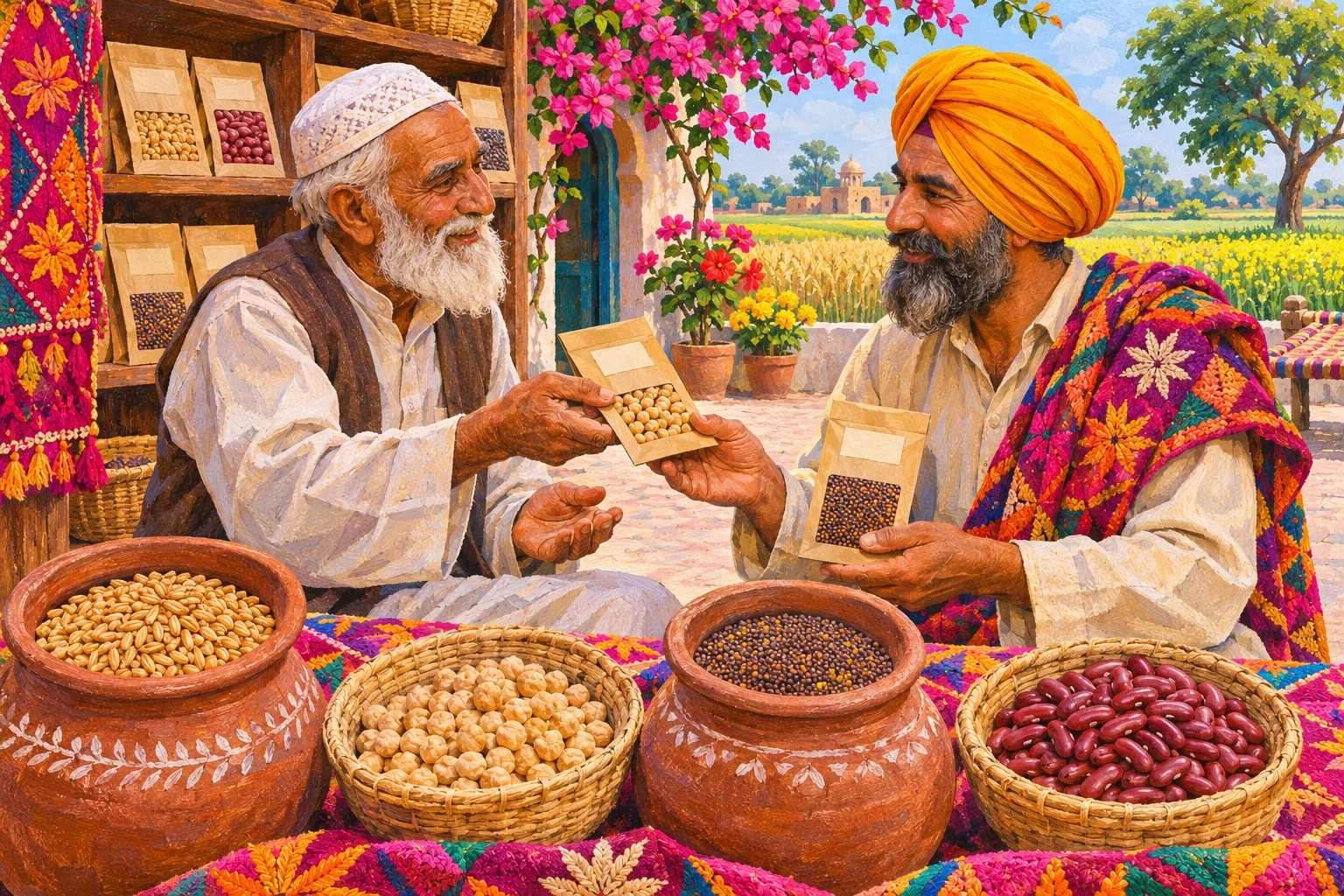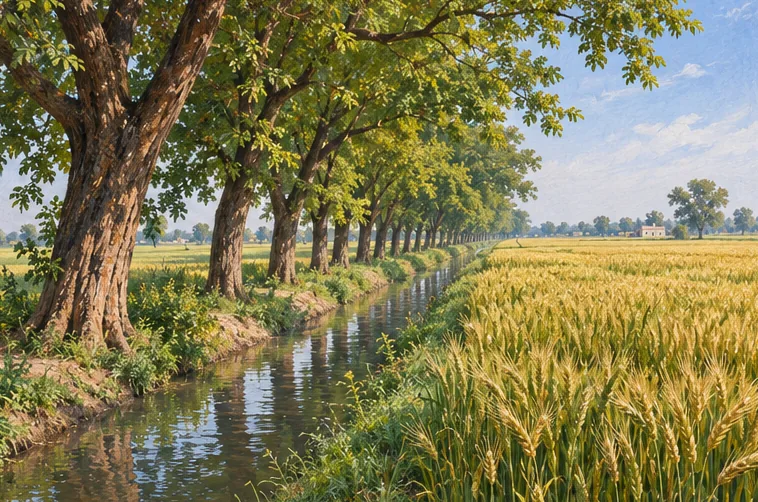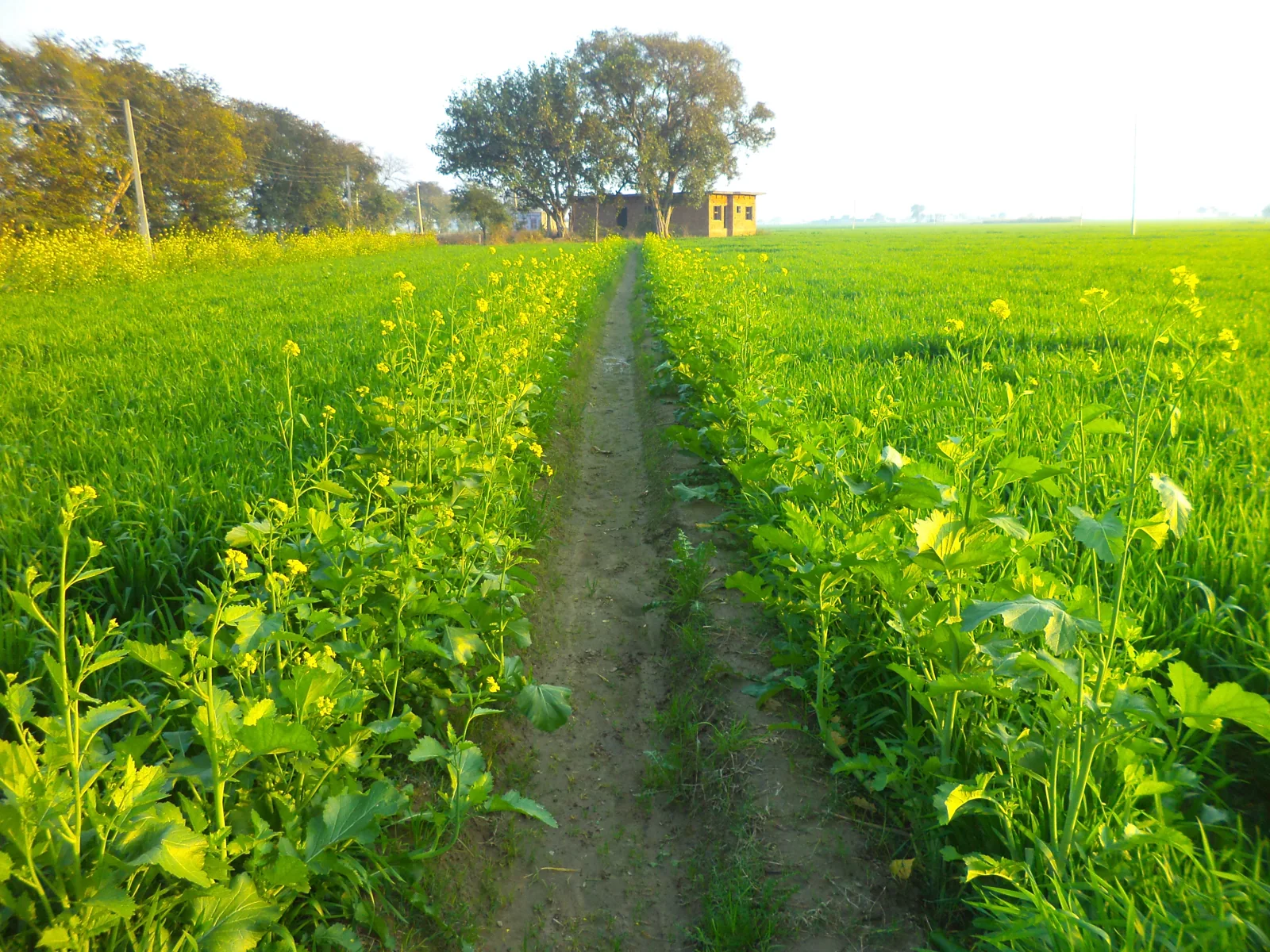
Punjab di kheti nu sirf kanak te jhone di ik tasveer vich nahi sameteya ja sakda. Vakh-vakh ilaqeyan vich bajra, jowar, chhole, masar, moong, sarson, til, sabziyan te chaare diyan faslaan di apni thaan rahi ae. Barani khet te nahri zameen di chon vi vakh ho sakdi ae.
Buzurgan kolon sirf fasal da naa na puchho. Eh vi puchho ke oh kadon beejde san, paani kithon aunda si, aata kaun peehnda si te fasal ghar vartde san jaan vechde san. Ik parivaar di yaad poore purane Punjab da saboot nahi; pind te vele da naa naal likho.
Faslaan badlan pichhe mandi, khareed, paani, machine, mehnat te jokham ho sakde ne. Purani fasal mur liaun layi beej de naal khaana banaun da hunar, processing te khareeddaar vi chahide ne. Pehlan chhota tajurba karo. Kharche, paani, paidavaar te ghar di varton da record rakho. PAU, ICAR te Punjab de kheti idare ilaqe mutabik sawaal samjhan vich madad de srot ne.
Poora khoj lekh — English
A memory with more than two crops
The familiar picture of Punjabi agriculture often settles on wheat at one time of year and rice at another. That picture cannot describe every district, every period or every household. Kheti Virasat Mission's work explicitly recalls millet-based food and farming. The Punjab Pakistan agriculture department lists wheat, groundnut, chickpea, lentil, mung, sorghum, millets and oilseeds among the crops relevant to its barani tract research.
Instead of declaring that one crop was grown everywhere, ask older growers for the rotation on their particular land. Record whether it was rain-fed or irrigated, how the harvest was used and what animals were kept alongside it.
Remember the kitchen as well as the field
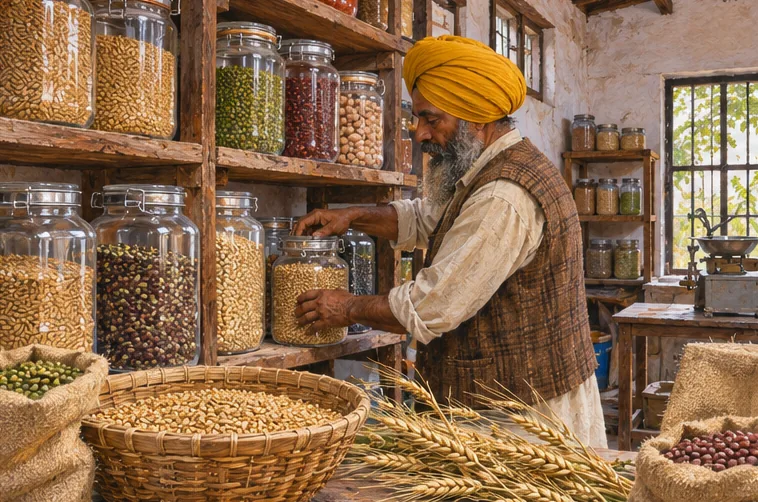
A crop can disappear from a family's field before its name disappears from a recipe. Ask who ground a grain, which flour was mixed with another, how a pulse was stored and whether oil was pressed locally. These interviews can reveal what a revival project would need beyond a bag of seed: processing, cooking knowledge and someone willing to buy the food.
For a website story, put recollections in the speaker's own voice, with the village and approximate period. Avoid converting one household's memory into an unsupported claim about the whole of pre-Partition Punjab. Different soils, incomes and access to water produced different choices.
Why rotations became narrower
The explanation needs more than nostalgia. Growers respond to irrigation, procurement, market demand, machinery, labour, input supply and risk. A crop that is attractive ecologically may still be difficult to sell or process. Recent ICAR discussions in Bathinda emphasised matching crop planning with natural resources and strengthening market links and value addition.
This suggests a useful way to cover diversification: describe the whole chain. Who provides reliable seed? Who advises on the crop? Can the household process and eat it? Is there a buyer? How will the farmer manage a failed or uneven first season? Those questions respect the family's livelihood.
A small diversity plot
Our proposed village project begins with a modest demonstration rather than a demand to replace the entire farm. Select locally suitable food or fodder crops with an extension adviser and agree on a purpose for each. Keep a simple record of sowing, rainfall or irrigation, labour, pests, harvest and use. Photograph the plot at the same stages through the season.
Compare the results with a nearby familiar crop under recorded conditions. A demonstration is not a replicated research trial, so its conclusions should remain modest. Nevertheless, it can reveal which questions deserve a more formal trial and which varieties people actually want to grow or eat.
Connect old knowledge with living institutions
Indian Punjab's PAU seed portal and ICAR's seed-system work illustrate that seed information is also being organised through public research institutions. In Pakistan, research institutes have defined regional crop mandates. These services can help identify a crop and clarify a recommendation; they should not be presented as guarantees of current stock or immediate delivery.
Crop diversity survives when it has a place in daily life. A school garden, a family meal, a reliable seed keeper and a workable market can each play a part. The most useful revival story links the field to those people and records what changed after the first photograph was taken.