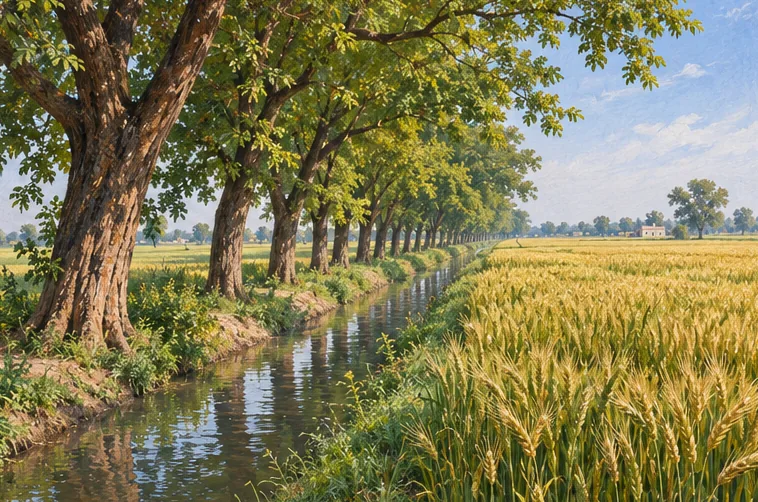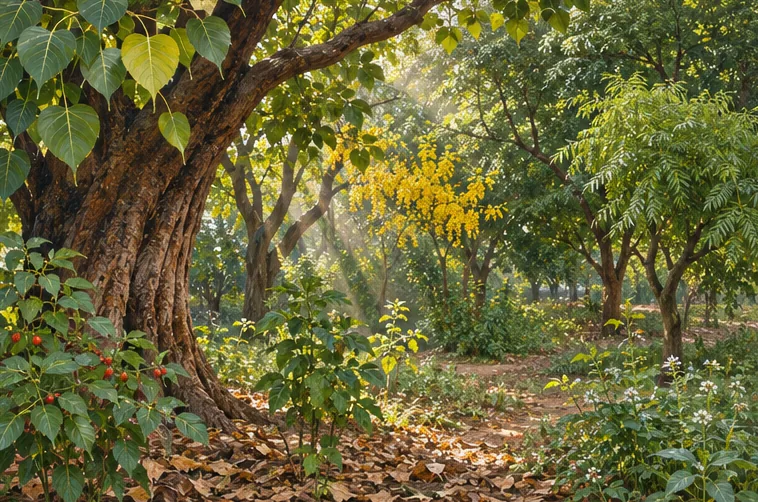
EcoSikh da Guru Nanak Sacred Forest programme ate Roundglass de verve ilaqe layi munasib desi rukhan, community di hissedari ate baad di dekhbhaal nu ahmiyat dinde ne. Eh sansthavan de apne kam de verve ne, har jagah de natije di azad parkh nahi. Site bare puchho: pehlan ki ugda si, paani kithon aavega, kis ne species chuni ate laun di ijazat kis kolon mili? Ghanne paude launa har zameen da iko hal nahi. Rakhwala badal jaave taan sambhaal kaun karega? Ikk thaan ton same-same diyan tasveeran, rukh de naa ate jeeunde paudian di ginti rakho. Apni mitti di zimmedari lamma rishta mangdi ae.
Eh lekh gall-baat te sikhhan di shuruaat ae. Apne khet layi faisla mitti, paani, mausam, kharche ate maqami maahir di salah naal karo. Tajurbe di thaan, tareekh, fasal ate natije likho; ikk changi misaal nu har zameen layi pakka waada na samjho.
Poora khoj lekh — English
The Guru Nanak Sacred Forest programme run by EcoSikh describes microforests that conserve regional native tree diversity, including living seed-bank functions. Roundglass Foundation describes choosing indigenous trees for local soil and weather, involving residents and officials, and continuing aftercare and monitoring. These are the organisations’ descriptions of their work. Their programme names and reported impact should not be mistaken for an independent assessment of every site.
A broader cultural connection also appears in Kheti Virasat Mission’s stated mission: farming, food traditions, forests, seeds, livelihoods and vernacular knowledge are related parts of Punjab’s future. That relationship can help a village see trees as more than decoration. A planting site may also become a place to learn names, observe seasonal change or discuss what the landscape used to contain.
For a prospective volunteer or landholder, a useful conversation begins with the site. Ask who chose the species, what earlier vegetation or local ecological references informed the selection, and what the land was used for before planting. Ask how the design fits the available water, neighbouring uses and long-term access. Dense planting is one approach used by particular projects; it is not a universal formula for every Punjabi landscape.
Then ask about care. Who waters during difficult weather? Who checks losses, records survival and decides whether replacements are appropriate? What happens if the original volunteer moves away or the institution changes its priorities? These questions do not diminish the enthusiasm of a plantation drive. They give that enthusiasm a structure that can continue.
A community profile can bring the practical and cultural records together: the species list, the year planted, the names of consenting caretakers, photographs from the same viewpoint over time, and the words elders use for each tree. Separate observation from expectation. A newly planted site can show participation and a plan; claims about mature habitat, cooling or water effects need suitable measurement. The shared lesson is patient stewardship—apni mitti, apni zimmedari: our land, our responsibility.