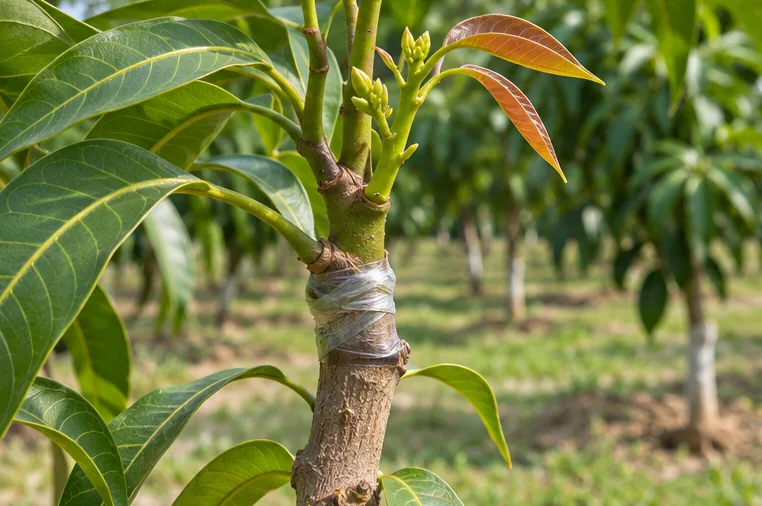
Kinnow, amrood, amb, nashpati, litchi, aaroo ate ber di rahnumai bagh da vadda chon-pattar dindi ae. Par rukh da naa hi orchard plan nahi. Pakistan di regional listing anaar dian Pearl ate Golden, ber dian Aakash 2021 ate Pak-white varieties de ilaqe dasdi ae. Khet di sahi suitability layi mitti ate sinchai de paani di jaanch fer vi chahidi ae. Nikaas, loon, garmi, kora, cultivar, rootstock ate buyer tak pahunch pehlan vekho. Maahir kol sawaal lai ke jao: pakka rukh kinni jagah lavega, pehle saalan da kharcha ki ae ate phal sambhalna kiven ae? Muqarrar paidawaar jaan munafe da waada na manno.
Eh lekh gall-baat te sikhhan di shuruaat ae. Apne khet layi faisla mitti, paani, mausam, kharche ate maqami maahir di salah naal karo. Tajurbe di thaan, tareekh, fasal ate natije likho; ikk changi misaal nu har zameen layi pakka waada na samjho.
Poora khoj lekh — English
PAU's fruit guidance covers crops including kinnow, guava, mango, pear, litchi, peach and ber, while stressing the technical, labour and capital needs of orchards. Pakistan Punjab's AARI service pages link growers with horticultural institutes and fruit-plant services.
For a concrete Pakistani starting point, the Punjab Agriculture Department lists Pearl and Golden pomegranate varieties for southern and central Punjab. Its ber page also lists varieties for those regions, including Aakash 2021 and Pak-white. These are regional extension listings; a soil and water test is still needed for an individual orchard.
Soil, irrigation-water quality, drainage, heat, frost, cultivar, rootstock and market access should come before a purchase. Southwestern Indian Punjab's documented salinity and waterlogging problems are one reason a regional crop label cannot guarantee suitability.
Take a list of site-specific questions to an expert. Orchard drip-fertigation research offers options to discuss, not a promise of profit or a fixed water saving.